Septic Tank Pumping in West Chester, PA
Not every home near West Chester is on public sewer. Properties outside the sewer service area use on-lot septic systems, and those need regular pumping and care.
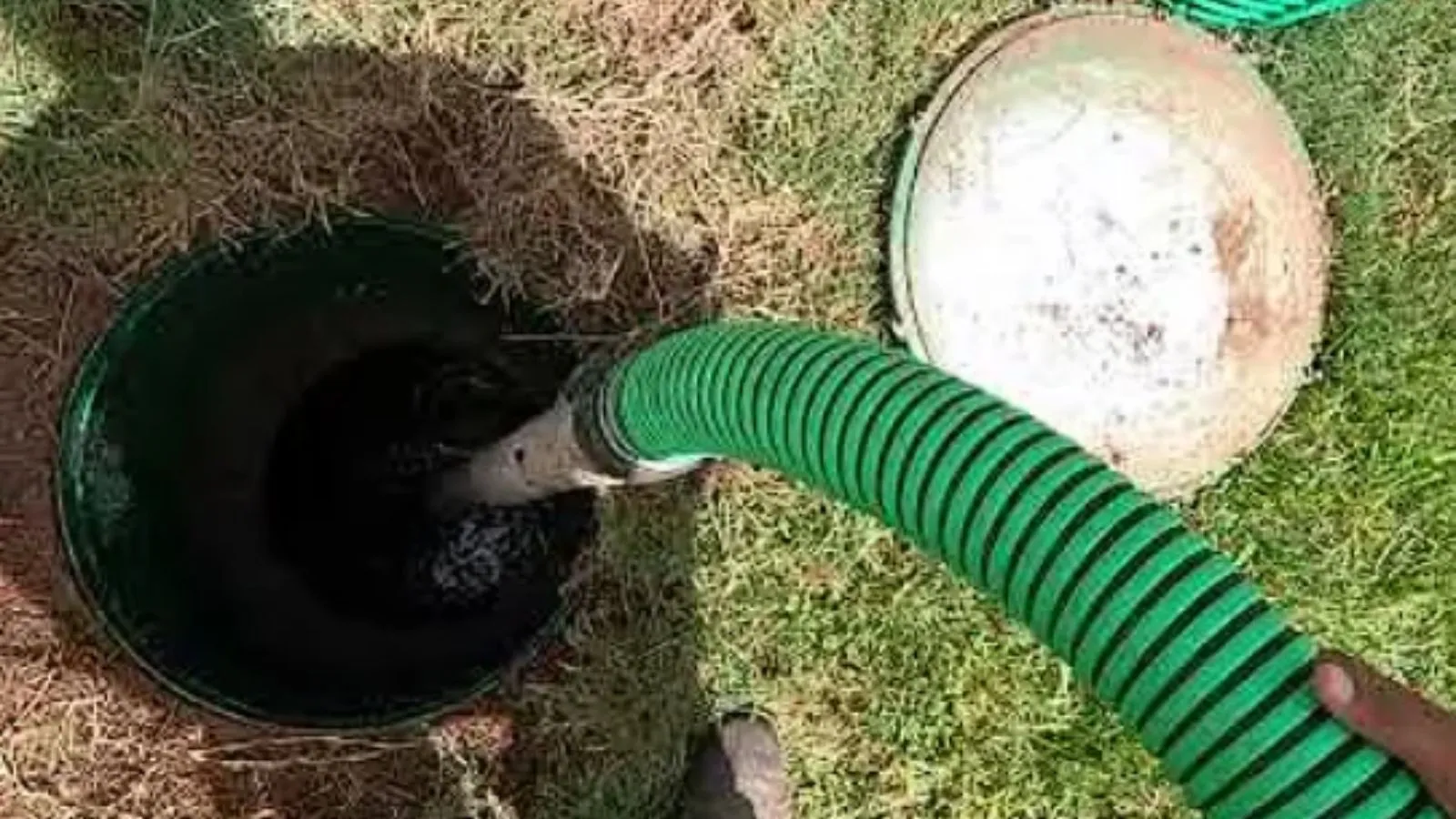
Who has septic around West Chester
West Chester Borough is on a public sanitary sewer. Several of the surrounding townships have areas on public sewer and areas on private on-lot systems. East Goshen Township's own history notes that much of its land was zoned for one house per acre with on-lot sewer and well, and public sewer was later extended into parts of the township.
If you are not sure which you have, check your sewer bill, look for a tank lid in the yard, or ask your township office.
What actually happens inside a septic tank
A septic tank is a buried, watertight box. Wastewater enters, solids settle to the bottom as sludge, grease and light material float as scum, and the clearer liquid in the middle flows out to the drainfield. Bacteria in the tank break down part of the solids, but not all of it, which is why tanks need pumping.
If sludge and scum build up until they reach the outlet, solids pass into the drainfield and clog it. A drainfield replacement costs far more than regular pumping, which is why the interval matters.
The county sets the rules
In Pennsylvania the Chester County Health Department, rather than the township, issues permits for the installation of individual on-lot sewage systems and wells and enforces Act 537 regulations for on-lot systems. Its office is at 601 Westtown Road in West Chester, and permit questions go to 610-344-6225. The department also licenses liquid waste haulers and pump installers in the county.
That matters when you hire anyone for septic work. Ask whether the hauler is licensed through the county, and have the pumping receipt kept with your home records.
How often to pump, and why it varies
| Factor | Effect | Result |
|---|---|---|
| Household size | More people means more solids | More frequent pumping |
| Tank size | A larger tank holds more before filling | Longer intervals |
| Garbage disposal use | Adds solids to the tank | Pump sooner |
| Water use | Heavy use leaves less settling time | More wear on the drainfield |
A common guideline is to have the tank inspected every year or two and pumped every three to five years, adjusted for these factors.
Signs the system needs attention
Septic backing up?
Stop running water and call. A full tank can be pumped once someone attends.
What affects the price
Related work
A full backup inside the house is an emergency covered under what to do when sewage comes up. If the problem is a clog in the line to the tank, drain cleaning visits may clear it. A camera can check the line between house and tank through camera inspection of the sewer line.
Habits that protect a septic system
If you are buying a home with septic, ask for the county permit record and the last pumping receipt. Both are part of understanding what you are buying.
What to do if sewage surfaces or backs up
Keep children and pets away from wet ground over the field and stop using water. Septic safety follows Pennsylvania's on-lot sewage standards, which the Chester County Health Department enforces.
East Goshen's own township history describes land planned around on-lot sewer and wells, with public sewer added later. The East Goshen page shows how to tell which side of that line your street is on.
Within the borough the homes are on public sewer, and septic systems begin in the townships outside it. If you are not sure which side of the line your street is on, ask before scheduling a pump-out.
Common questions
No sewer bill, a tank lid in the yard, or township records will show it.
The Chester County Health Department issues on-lot sewage permits and enforces the related state regulations.
Every three to five years is common, adjusted for tank size and use.
It adds solids, so pumping more often is wise.
Stop using water and call. The 24/7 line can dispatch help.
Buyers often ask for an inspection. Keep pumping receipts.