Septic or Sewer? How to Tell Which Your West Chester Area Home Has
Around West Chester, two homes on the same road can have different systems. Knowing which one yours is changes who you call, what you maintain and what a backup means.
Why this question gets asked so often
West Chester Borough is on a public sanitary sewer, but the townships around it are mixed. East Goshen's own township history describes land that was zoned for one house per acre with on-lot sewer and well, and says public sewer and water were later extended to parts of the township. The result is a patchwork where public sewer reaches one street and the next still relies on a tank.
Buyers, new owners and people who inherited a house often do not know which they have. The answer is usually easy to find, and it matters before the first backup.
Four ways to find out
Who keeps the records for septic and wells
In Chester County, the Chester County Health Department issues permits for individual on-lot sewage systems and wells, and enforces the state's Act 537 regulations for on-lot systems. Its office is at 601 Westtown Road in West Chester and its permit line is 610-344-6225. Permit records from 2000 on can be searched online by parcel number, and older records can be requested.
That record often shows the tank size, the date installed and the location of the drainfield. It is worth finding before you dig anywhere in the yard.
What each system needs from you
| Public sewer | Septic system | |
|---|---|---|
| Monthly cost | Sewer bill from the township or authority | None, but pumping costs periodically |
| Routine maintenance | None, other than keeping drains clear | Pumping every few years and inspections |
| What you own | The lateral from the house to the connection | The tank, the lines and the drainfield |
| Typical failure | Roots or a damaged lateral causing backups | A full tank or a failed drainfield |
| Who regulates | The township or authority | The Chester County Health Department |
Backup and not sure why?
Call and tell the dispatcher you are unsure which system you have.
What a backup means in each case
On public sewer, a backup is usually a clog or damage in your own lateral, or occasionally a problem in the municipal main. A camera finds out which. On septic, a backup can mean a full tank, a clogged outlet baffle or a drainfield that can no longer absorb water. The first step is different: pump the tank and see whether the problem returns.
If you are on septic, pumping a septic tank is the usual first move. If you are on public sewer, a sewer camera inspection shows what is happening in the lateral without digging.
Buying a house with either system
Pennsylvania's Real Estate Seller Disclosure Law requires sellers to disclose known material defects, and the disclosure form asks about the sewage system. A disclosure tells you what the seller knows. It does not tell you the condition of the buried parts.
For septic, ask for pumping receipts and the county permit record, and consider a septic inspection. For public sewer, a camera scan of the lateral shows roots, cracks and sags that a seller may not know about.
East Goshen as an example
East Goshen has its own sewer billing and a municipal authority, so township staff can confirm connection status for an address. A call to the office is usually the fastest answer, and the staff can tell you whether your road has public sewer. Neighboring townships have their own offices, and it is worth asking the right one.
What the county permit record can tell you
If your house is on septic, the county permit file often shows the original design: the tank size, the number of bedrooms it was approved for, the type of drainfield and where it sits on the lot. It may also show repairs and replacements. This is useful for two reasons. It tells you the system's age, and it shows what the system was designed to handle.
A tank sized for a three-bedroom house is not meant for a household that has added bedrooms or a basement apartment. If you are planning an addition, ask the county health department how it affects the system before drawing plans.
If you discover you are on septic
Find the tank
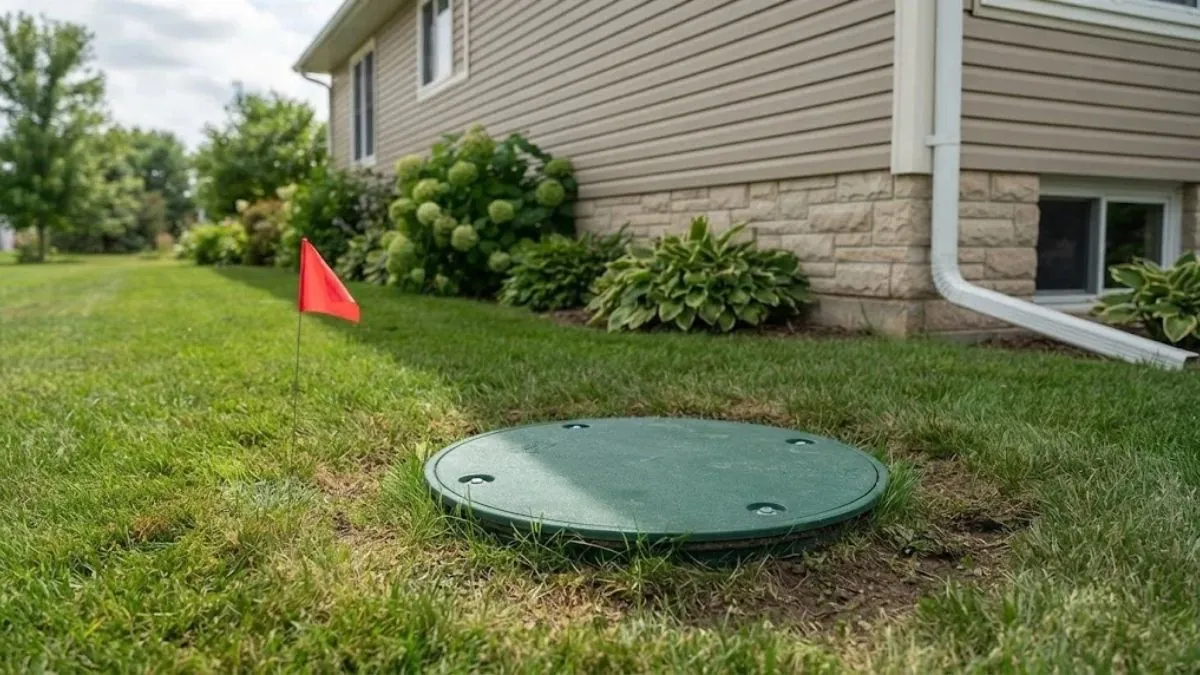
Look for lids or risers in the yard, check the permit file, or ask a pumping company to locate it.
Put pumping on a schedule
Set a reminder for the next pumping based on household size and tank size.
Protect the drainfield
Keep vehicles, patios and trees away from it, and direct roof water elsewhere.
Learn the warning signs
Slow drains, odors and wet areas over the field mean call now.
Keep records
File pumping receipts and permit copies where you can find them.
When the township or the county is the right call
Who you call depends on what is wrong. A clog in a pipe inside your house is a plumber's job. A suspected problem with the municipal main is the township's.
A failing septic tank or drainfield is a county health department question, and the county can tell you what permits a repair needs. Calling the right office first saves time.
If you are unsure, start with the plumber and describe what you see. A camera scope and a quick look at the tank often sort out which office needs to be involved.
Where to go next
Septic owners can read septic pumping service, sewer owners sewer camera inspection, and the East Goshen page explains the mix of both there.
Sources and standards
Sources: the Chester County Health Department (601 Westtown Road, 610-344-6225) for on-lot sewage and well permits, the Chester County Planning Commission's Act 537 page, and East Goshen Township's published township history and contact page.
Septic and sewer questions
No sewer bill, a tank lid in the yard, or township records indicate septic.
The Chester County Health Department issues on-lot sewage permits and enforces the state's Act 537 regulations.
A common guideline is every three to five years, adjusted for household size and tank size.
Usually the owner is responsible for the lateral from the house to the connection with the public main, but local rules vary.
Municipalities set their own rules about connection requirements. Ask the township office.