Sewer Line Repair in West Chester, PA
A sewer line problem rarely announces itself once. It shows up as slow drains, a gurgle, a smell, then a backup. This page is for what to do between the warnings and the repair.
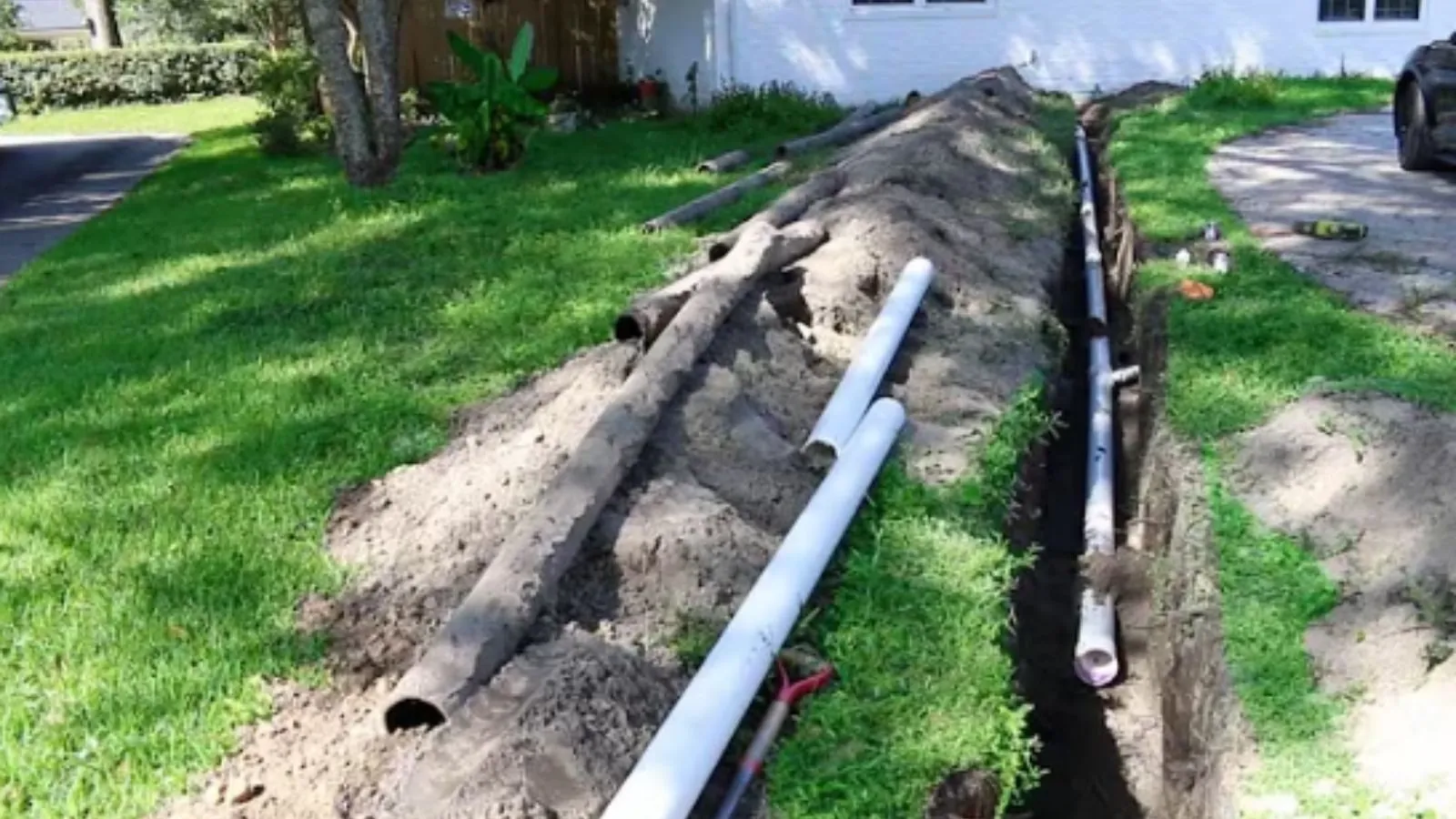
Why a sewer line needs a camera before a quote
Two sewer lines can show the same symptom for opposite reasons. One has roots at a single joint and needs a short repair. The other has a long sag and needs replacement. Without a camera, both look like a clog.
A camera inspection records the pipe's inside, shows the distance to the problem, and gives you a recording to compare quotes against. It is the single best way to avoid paying for the wrong repair.
What causes sewer lines to fail
Sewer laterals fail from age, ground movement, roots and the pipe's own material. Clay pipe has joints that open as soil shifts. Cast iron corrodes from the inside out and scales shut.
Orangeburg, a tar-paper pipe used in some mid-century homes, deforms and collapses. PVC is durable, but can sag if the trench was poorly bedded.
Roots are an effect rather than a cause. They find tiny leaks and open joints, then grow into the pipe because it is full of water and nutrients. Cutting them clears the line, but the joint stays open until it is repaired or lined.
Common findings and the usual repair
| Camera shows | Cause | Usual repair |
|---|---|---|
| Roots entering a joint | Open joint or small crack | Cut roots, then spot repair or lining |
| Standing water in a low section | A belly or sag in the pipe | Section replacement |
| Offset or separated joints | Soil movement or poor installation | Spot repair or replacement |
| Cracked or collapsed pipe | Age, crushing or corrosion | Replacement or full lining if structure allows |
| Heavy scale in cast iron | Age and mineral buildup | Cleaning, sometimes lining |
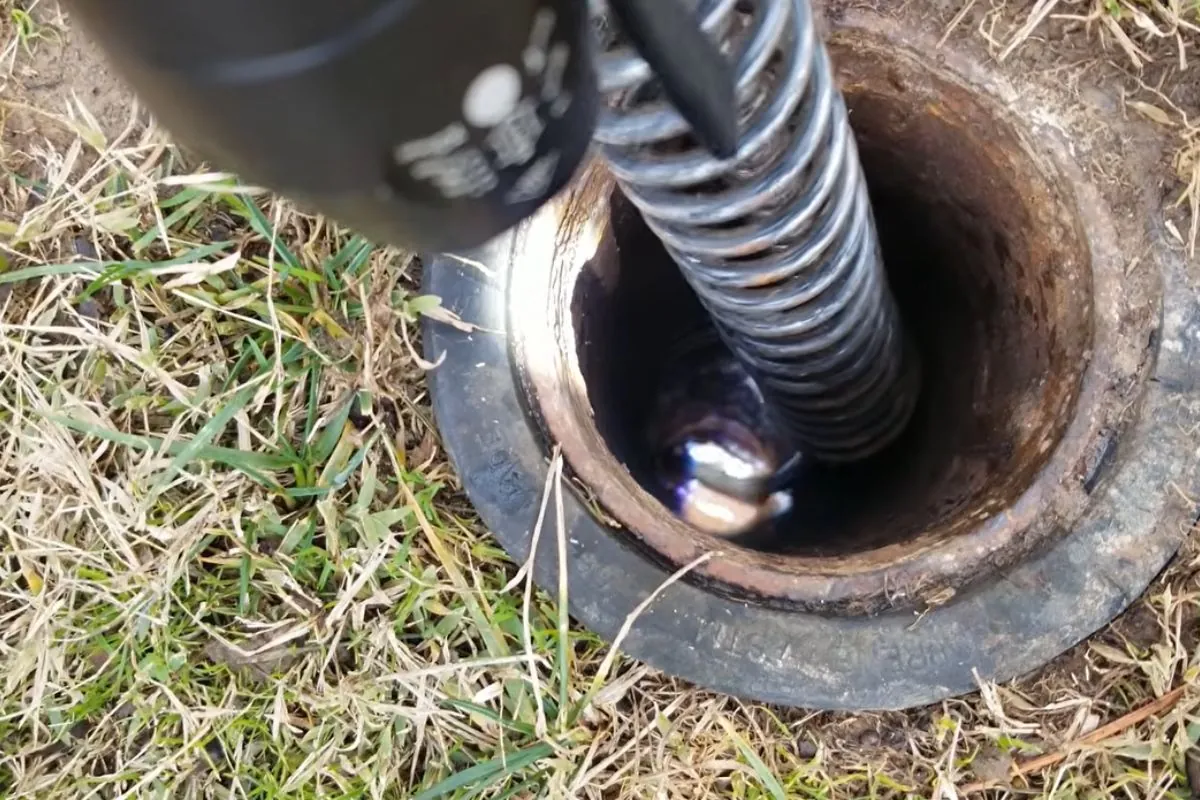
Trenchless or traditional
Traditional excavation fits when
- The pipe has collapsed or has major sags
- The line is shallow with many bends
- Repairing connections to the main also needs access
Trenchless fits when
- The pipe is structurally sound but cracked or leaking at joints
- Landscaping, a driveway or a patio sits over the line
- Entry points can be limited to one or two small pits
See trenchless pipe lining for how lining and bursting work.
Backup in progress?
Stop running water and call. The 24/7 line can send someone to clear it first.
Before any digging
Pennsylvania law requires anyone planning excavation to contact PA One Call by dialing 811 at least three business days beforehand. The call is free for homeowners, and utilities mark their lines so the crew does not hit gas, water or electric. The Public Utility Commission also says contractors should submit their own tickets rather than asking homeowners to do it.
The borough and townships may require permits for sewer lateral work, and the requirement differs by municipality, so ask the plumber who will handle it.
What affects the price
Homeowners policies often exclude the sewer lateral itself, though sudden backup damage may be covered under an endorsement.
Related sewer work
If the line only needs cleaning, drain cleaning and jetting a drain line may be enough. A full backup is handled under sewer backup service.
Planning for the repair
If a camera shows only a minor defect, it is reasonable to monitor it with a follow-up scope in a year or two instead of repairing at once. A good plumber will say so.
What to do before any digging
Call 811 at least three business days ahead, as Pennsylvania law requires, and keep markings visible. Sewer work follows the plumbing code and the municipality's lateral standards.
West Goshen Township handles sewer and code questions from its office at 1025 Paoli Pike, which is where to ask about lateral permits. The West Goshen page has the address.
The laterals under older streets near the Downtown Historic District were laid in an era of clay and cast iron pipe. A camera run shows whether the damage is a root, a belly or a collapsed section before any trench is planned.
Common questions
Repeated clogs, gurgling fixtures, slow drains in several places, sewage smells and damp patches in the yard are common signs.
Often, yes. Trenchless lining or bursting avoids long trenches if the pipe structure allows.
The homeowner usually owns the lateral from the house to the connection with the public main, but local rules vary, so check with your municipality.
A spot repair may take a day. Full replacement or lining can take one to several days depending on length and access.
Yes. The 24/7 line sends help for backups and active sewage problems.
Yes if digging is involved. The law requires a call at least three business days before excavation.