Emergency Water Damage Restoration in West Chester, PA
Water damage restoration is the cleanup after the water stops: removing water, drying structure and contents, and preventing mold. A plumber fixes the pipe. This is the other half.
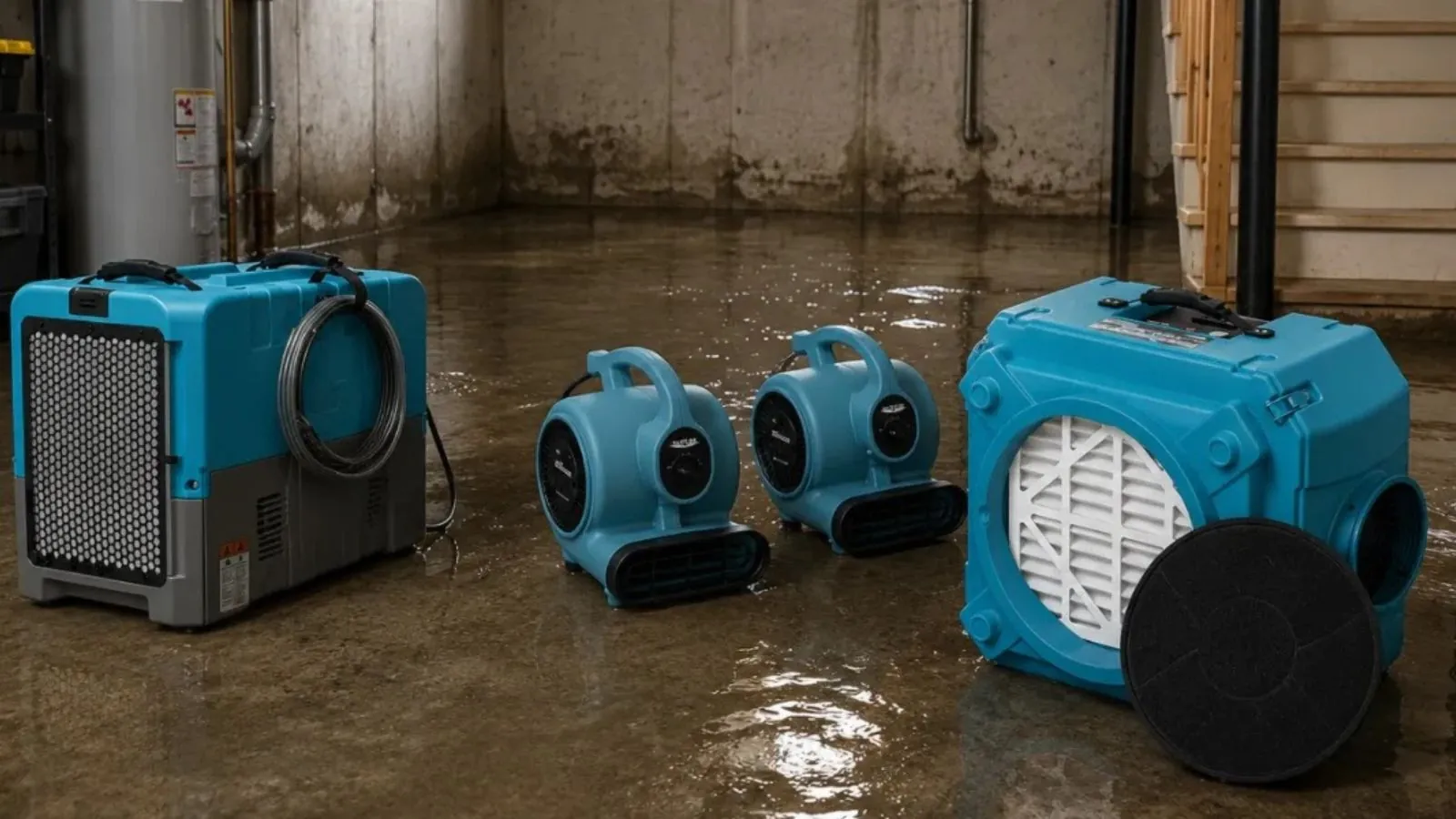
Plumber or water damage restoration?
A burst pipe causes two problems. The pipe needs to be repaired, which is plumbing. The wet drywall, floors and belongings need to be dried and cleaned, which is water damage restoration.
This page and its phone number cover the second job. For the pipe itself, see stopping and fixing a split pipe, which uses the main plumbing line.
Calling for both at the same time saves hours, because drying has to begin quickly. Moisture that sits in a wall for more than a day or two starts to feed mold.
What to say on the first call
A short, clear description helps the dispatcher decide what crew and equipment to send. Say what the source was and whether it has been stopped, how long ago it happened, which rooms and floors are wet and what the floor and wall materials are. Mention whether anyone has been in the water and whether it looks clean or dirty.
If the source is sewage or floodwater, say so. That changes the safety plan and the materials list, and it sets expectations for what can be saved.
How water is classified
Industry practice follows the ANSI/IICRC S500 standard for professional water damage restoration, which describes water by its source and how fast it will evaporate. The categories decide what can be dried and what must be removed.
| Category | Source | Typical handling |
|---|---|---|
| Category 1 | Clean water from a supply line or a faucet | Dry in place if the response is prompt |
| Category 2 | Gray water from a washing machine, dishwasher or a toilet overflow without feces | Clean and dry, remove porous materials |
| Category 3 | Sewage, floodwater and other grossly contaminated water | Remove porous materials, disinfect |
Clean water becomes worse over time. Left for roughly two days, Category 1 water can degrade to Category 2 in the building materials. That is one reason speed matters.
What happens after you call
Assess and document
The affected area is inspected, moisture is measured, and photos are taken for your insurer.
Extract standing water
Pumps and extractors remove bulk water from floors and carpet.
Dry the structure
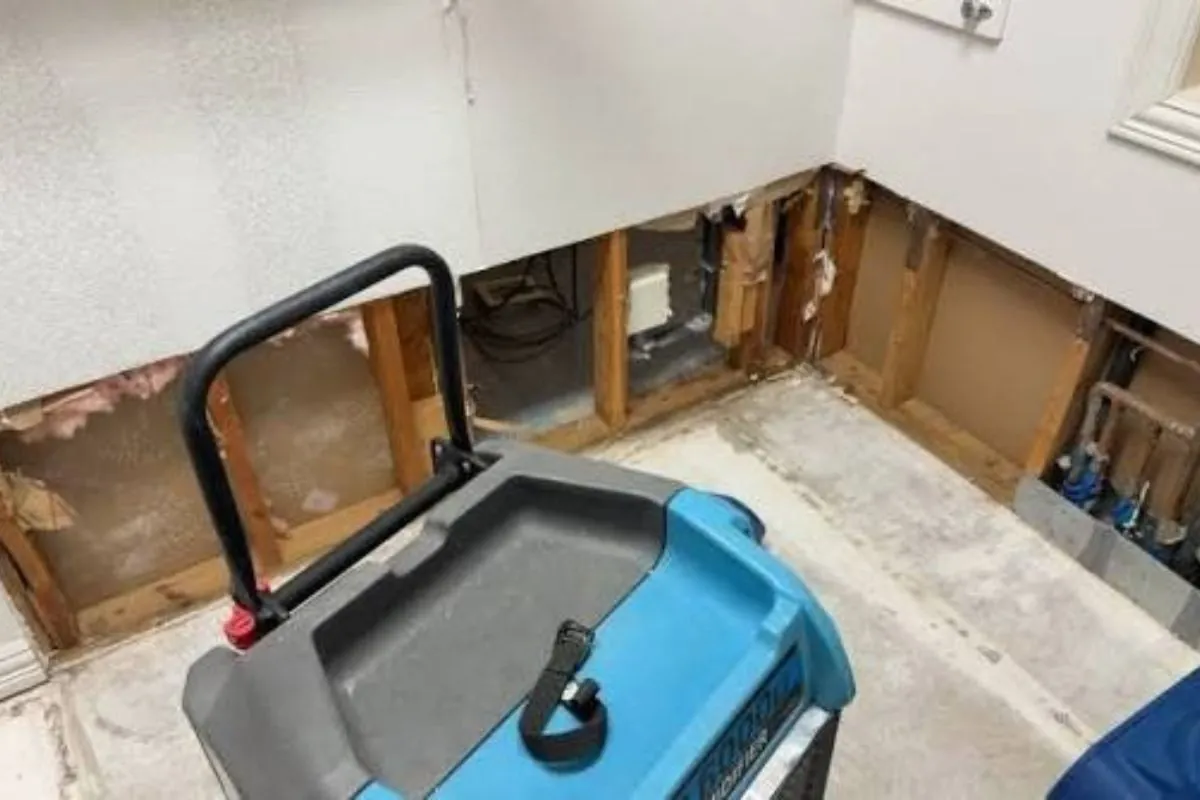
Air movers and dehumidifiers dry walls, floors and framing, with moisture readings repeated to confirm progress.
Clean and restore
Contents are cleaned, damaged materials are removed, and the space is prepared for repair.
Water in the house now?
Call the water damage line. Shut off the water first if you can.
What the September 2021 flooding showed Chester County
When the remnants of Hurricane Ida passed through on 1 and 2 September 2021, Chester County Emergency Services reported more than 4,000 calls and over 300 rescues within ten hours. The Chester County Health Department issued a flood recovery guide that week for residents dealing with cleanup.
For individual homes, the lesson is to document early. Photograph the waterline and damaged items before anything is moved, and contact your insurer promptly.
What affects the cost
Policies commonly cover sudden and accidental water damage but not groundwater or gradual leaks. Ask your agent which applies to your loss.
Related help
If the water came from the ground or a failed pump, sump pump repair helps prevent a repeat. For water that is still entering through a ceiling, see tracing a stain back to its source. For early drying and extraction steps, emergency water mitigation explains the first 48 hours.
Documenting a loss for the insurer
Insurers differ on what they cover and what they require, so call yours early. Many have a claims line that is staffed around the clock.
What to do before the crew arrives
Switch off power to wet areas only from a dry spot, avoid standing water near electricity, and do not use a household vacuum on water. Professional drying follows the ANSI/IICRC S500 standard, so ask the crew whether they work to it.
Creek flooding in September 2021 is the reference storm for East Bradford, and the township page explains what that taught local homeowners. Document early and call your insurer promptly.
Historic brick buildings downtown, such as the Buckwalter Building from 1893, usually have thick masonry walls that dry slowly after a leak. Call the water damage line quickly and ask about moisture readings before any wall is closed.
Common questions
As soon as possible. The usual goal is to start drying inside two days.
Sometimes. Clean-water damage caught early can be dried in place. Contaminated or long-soaked drywall is removed.
Often for sudden, accidental causes. It usually excludes groundwater and gradual leaks.
Yes. The water damage line answers 24/7.
Plumbing repair uses the main line. Ask the dispatcher to coordinate both.
Commonly three to five days for a typical loss, though it depends on materials and conditions.